Blog
Explore the Latest Posts From Our Dental Professionals in Avon, Enfield, and Glastonbury, CT
At Avon Oral, Facial and Dental Implant Surgery, our certified team is proud to provide modern, patient-focused care using advanced technology and proven surgical techniques. We remain committed to delivering precise, efficient treatments in a comfortable and supportive environment. By staying at the forefront of advancements in oral surgery and implant dentistry, we’re able to offer solutions designed for optimal function, aesthetics, and long-term results!
We invite local patients to browse our latest posts to explore our innovative services, treatment options, and helpful oral health information. It's truly never been easier to stay informed, gain valuable insights, and better understand how our team can support your dental health needs. We're proud to provide unmatched support across the Avon, Enfield, and Glastonbury, CT communities.
Learn More About Dental Implants, Oral Surgery & Beyond

Frequently Asked Questions
Dental Implants
1. What are dental implants?
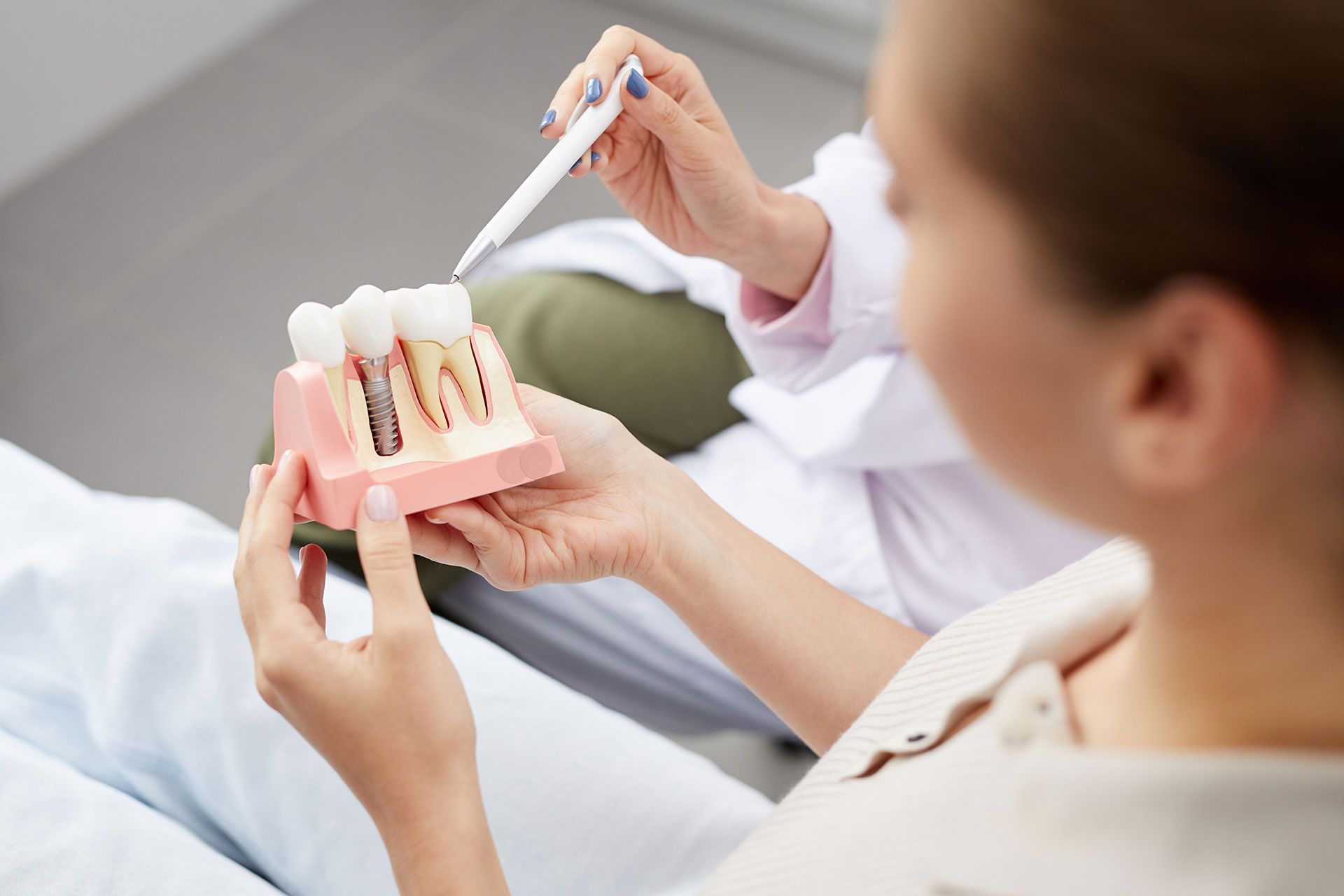
Dental implants are titanium posts surgically placed into the jawbone to replace missing teeth. They provide a stable foundation for artificial teeth.
2. Am I a candidate for dental implants?
Most patients with missing teeth and adequate bone density are candidates. We'll evaluate your oral health to determine the best treatment plan.
3. How long does the dental implant process take?
Surgical placement of a single dental implant will typically take 30-40 minutes. The healing process will continue for a few months before final restoration by your dentist.
4. Are dental implants covered by insurance?
Coverage varies by insurance plan. We'll help you understand your benefits and provide cost estimates.
5. What is the All-On-4® treatment?
All-On-4® is a technique that uses four implants to support a full arch of teeth, offering a quicker and more cost-effective solution for full-mouth restoration.
Wisdom Teeth & Extractions
6. When should wisdom teeth be removed?
We recommend evaluating wisdom teeth during the late teens or early twenties to prevent potential complications.
7. What is the recovery time after wisdom teeth removal?
Recovery varies but typically involves a few days of rest. We'll provide detailed post-operative instructions to aid healing.
8. Do you offer sedation for extractions?
Yes, we offer various anesthesia options to ensure your comfort during procedures.
9. What are the risks of not removing impacted wisdom teeth?
Impacted wisdom teeth can lead to pain, infection, and damage to adjacent teeth. Early removal can prevent these issues.
10. How do I care for my mouth after an extraction?
We'll provide specific post-operative care instructions, including guidelines on diet, oral hygiene, and activity restrictions.
Anesthesia & Sedation
11. What types of anesthesia do you offer?
We offer local anesthesia, nitrous oxide (laughing gas), intravenous (IV) sedation, and general anesthesia, depending on the procedure and patient preference.
12. Is sedation safe?
Yes, our team is trained in administering sedation safely, and we monitor patients closely throughout the procedure.
13. How should I prepare for sedation?
We'll provide pre-operative instructions, which may include fasting and arranging for someone to drive you home after the procedure.
14. Can I eat before my procedure?
If you're undergoing sedation, you'll need to fast for a specific period. We'll give you detailed guidelines based on your treatment plan.
15. What should I expect after sedation?
You may feel drowsy and should rest for the remainder of the day. Avoid driving or operating machinery until the effects have fully worn off.
Post-Operative Care
16. What should I do if I experience pain after surgery?
Some discomfort is normal. We'll provide pain management instructions, but if pain persists or worsens, contact our office.
17. How do I manage swelling after surgery?
Applying ice packs and keeping your head elevated can help reduce swelling. We'll give you specific post-operative care guidelines.
18. When can I resume normal activities?
Recovery times vary. We'll advise you on when it's safe to return to work, exercise, and other daily activities.
19. What signs of infection should I watch for?
Symptoms like increased pain, swelling, fever, or discharge may indicate infection. Contact us immediately if you experience these.
20. How do I care for the surgical site?
We'll provide detailed instructions on oral hygiene practices to promote healing and prevent complications.